

OIL & FUEL TANK INSPECTIONS,
MAINTENANCE & REMOVALS
Oil tanks are used in both residential and commercial applications, most commonly for heating. These metal or steel tanks can be underground or above ground commonly referred to as Aboveground Storage Tanks (AST) or Underground Storage Tanks (UST)
While many homeowner’s and businesses have moved to electric or natural gas for heating, many still rely on oil tanks for heating, and there are many tanks that are no longer in use but still physically located on a property.
The average life of an oil tank is around 20 years, although well-built tanks do last longer, but none of them will last forever. Both above ground and underground tanks are susceptible to rust, holes or corrosion – and often these start from the inside out, so even if your tank looks intact from the outside, there could be damage on the inside.

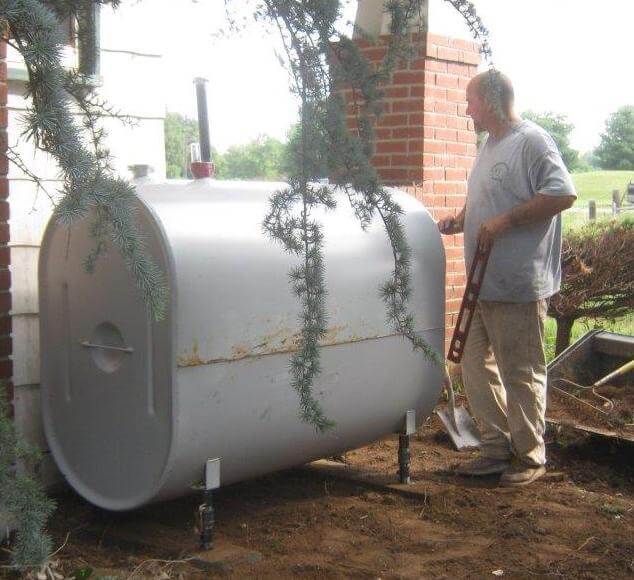
What Are The Dangers Of Old Oil Tanks
As your oil tank ages, it is important to monitor for any potential damage to prevent the need for expensive environmental cleanup later. Oil tank leaks usually start with a very small leak that might be hard to detect.
Signs you might have oil tank leak include:
- Oil running out faster than expected
- Damage to grass around the tank or damp patches of soil or grass near the tank
- A visible scratch or area of rust on the tank
Once oil starts leaking into the soil it will need to be cleaned up (remediated). If not remediated properly environmental dangers include impacts to soil, animals and even drinking water.
The smaller the leak, the easier the remediation. For larger leaks the tank will likely need to be removed along with the surrounding soil and other cleanup might also be required. This type of remediation is more extensive and costly but can often be prevented by catching leaks early.
How To Prevent Oil Tank Leaks
The best way to prevent leaks is to have your tank cleaned every 5 years, and have a professional inspect the tank once it has been in use for around 15 years. You may also want to have the soil around your oil tank tested for any signs of contamination.
Tank inspections are not expensive and can save you thousands of dollars in remediation later.
If an inspection reveals minimal damage these can often be repaired with welding or epoxy. If major damage is revealed the tank may need to be replaced.
How Much Does It Cost To Remove An Old Oil Tank
Costs to remove tanks vary based on several factors including the location of the tank such as above ground or under ground. A straightforward removal typically the removal costs around $2,500 when a leak isn’t detected. If a leak is detected those costs rise significantly.
For residents and property owners in Virginia, the Virginia Department of Environmental Quality offers a reimbursement program that largely covers the cost of environmental cleanup and removal of the leaking oil tank. Other localities offer similar programs.
Total Environmental Concepts services customers in Virginia, DC, Maryland and surrounding areas. We provide expert services to residential and commercial customers needing anything from a basic fuel tank inspection to a full remediation.